


German citizenship: your access to a stable life and prospects in the EU
With a German passport, you can live and work freely in any EU country. You have access to quality medicine, prestigious education and comprehensive state support.
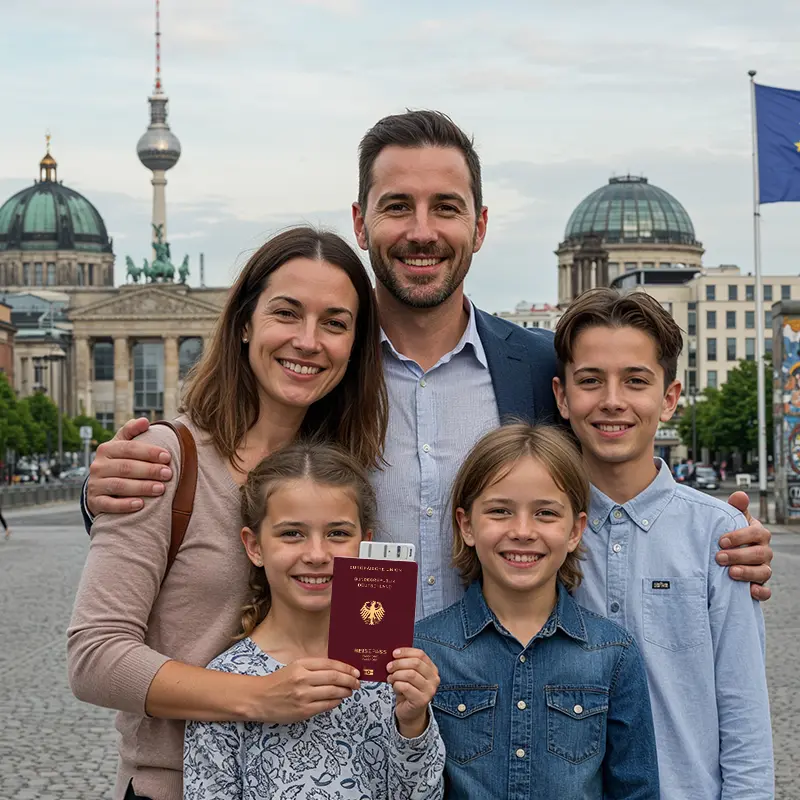
Advantages of German citizenship
By obtaining German citizenship, you open up unlimited opportunities within the European Union. A German passport provides free entry to EU countries and allows you to live, study and work in any of them without obstacles.

Visa-free travel in the EU and Schengen area
A German citizen can travel, live and work in any country in the European Union without the need for a visa or work permit.

High-quality health care and social security
German citizens are entitled to access to one of the best healthcare systems in the world, as well as a robust social security system.

Strong passport and visa-free entry to more than 160 countries
The German passport is among the most "powerful" in the world, granting visa-free or simplified entry to many countries, including the United States, Japan, Canada and Australia.

Free or low-cost education
Higher education at public universities in Germany is often free even for those from other EU countries, and for German citizens it offers stable access to high-level studies without financial barriers.

Attractive environment for entrepreneurship and investment
Citizenship makes it easier to start a business, access government support programs, and participate in investment projects both domestically and across the EU.

Inherited citizenship and protection of rights
German citizenship can be passed on to children, providing them with the same benefits. In addition, you receive strong legal protection not only in Germany but also abroad.
Who can apply for German citizenship: categories and conditions
German citizenship is only possible if you fulfill a number of requirements. Different groups of foreigners are eligible for this status, depending on their life path and their degree of integration into German society.
Permanent residents with a long-term legal status
Foreigners who have been legally residing in Germany for at least 5 years can apply for citizenship. The prerequisites are German language proficiency at least at B1 level, financial independence, no criminal record and willingness to abide by the democratic principles of the state.
Spouses of German citizens
Foreign citizens who are officially married to a German citizen or citizeness can take advantage of an accelerated procedure. This requires: at least two years of marriage, three years of legal residence in the country, and meeting standard language and integration requirements.
Ethnic Germans and descendants of repatriates
There is a simplified procedure for ethnic Germans, their descendants and those whose ancestors suffered persecution during the Nazi era (in particular Jews and their descendants). In these cases, a separate procedure is applied that takes into account historical justice and cultural ties to Germany.
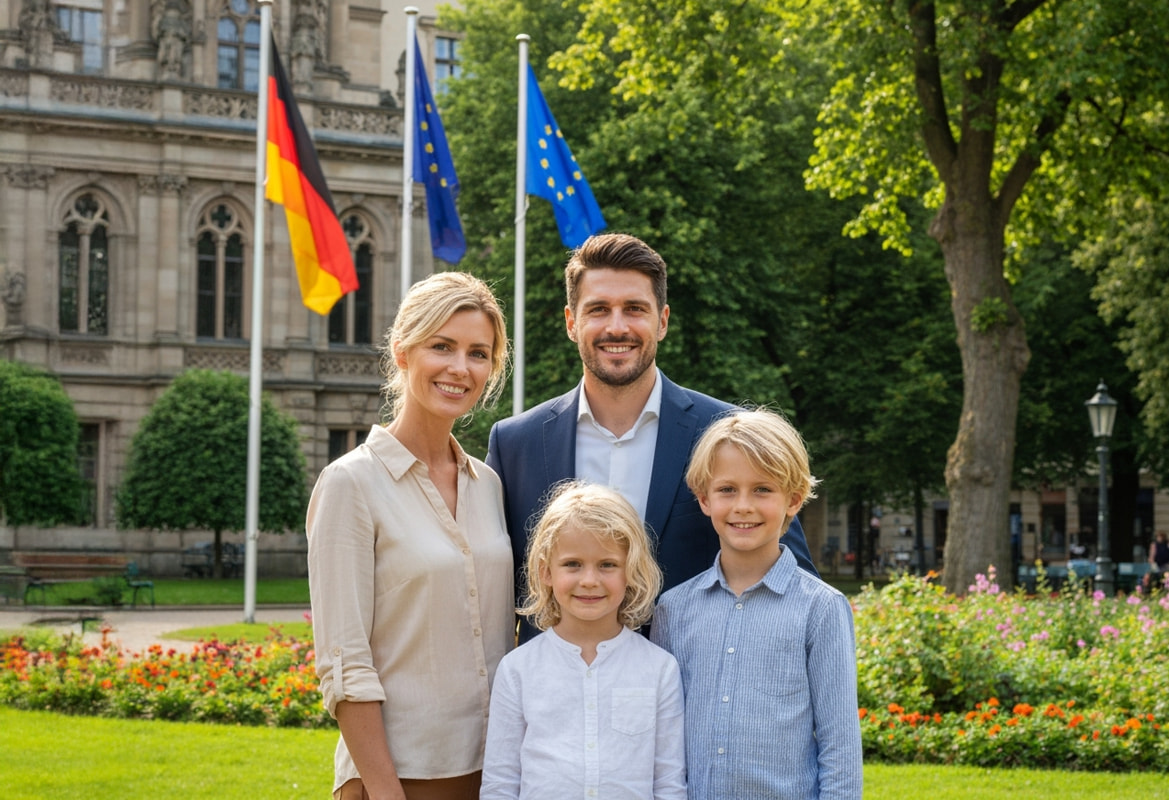
Choose the best way for you to apply for German citizenship
Fill out the form to be contacted for a consultation

Step-by-step application for German citizenship
German citizenship is a highly regulated process that requires careful attention and observance of all formalities. Competent support at every stage helps to avoid delays and successfully obtain a passport.

Personal consultation and selection of the best basis
At the first stage, a detailed analysis of your situation is carried out: the biographical data, the existence of grounds for citizenship (naturalization, marriage, repatriation and others) are considered. Possible risks and ways to prevent them are also assessed. As a result, an individualized action plan and filing strategy is formed.
Compilation and verification of documents
A personalized dossier is prepared, including application, identity card, family status documents, language certificates, income and integration certificates. Depending on the basis, additional papers may be required. All foreign documents are subject to translation and legalization. The lawyers will take care of contacting the authorities, collecting certificates, notarizations and final verification of eligibility.

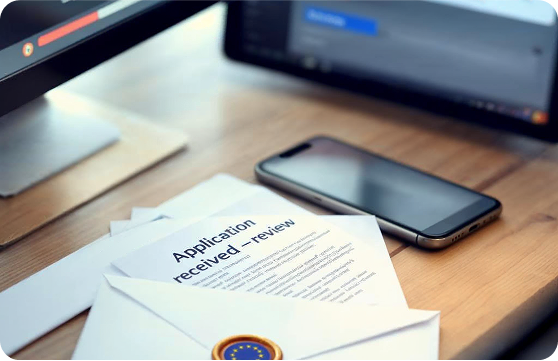
Submission of the application to the authorized bodies of Germany
The complete set of documents is submitted by the lawyer to the responsible authority – usually the Ausländerbehörde, Bürgeramt or Federal Administrative Office (Bundesverwaltungsamt). After submission, the review of the application begins. If approved, the applicant is invited to an oath ceremony, which he or she is accompanied by a lawyer. After that, the applicant officially becomes a German citizen and receives the corresponding certificate.
Issuance of German documents
At this stage, the application for ID card and passport is submitted to the Bürgeramt together with the lawyer. A photograph, ID card and citizenship certificate are required. You can also apply for a tax identification number – this is useful for employment, business and opening a bank account.
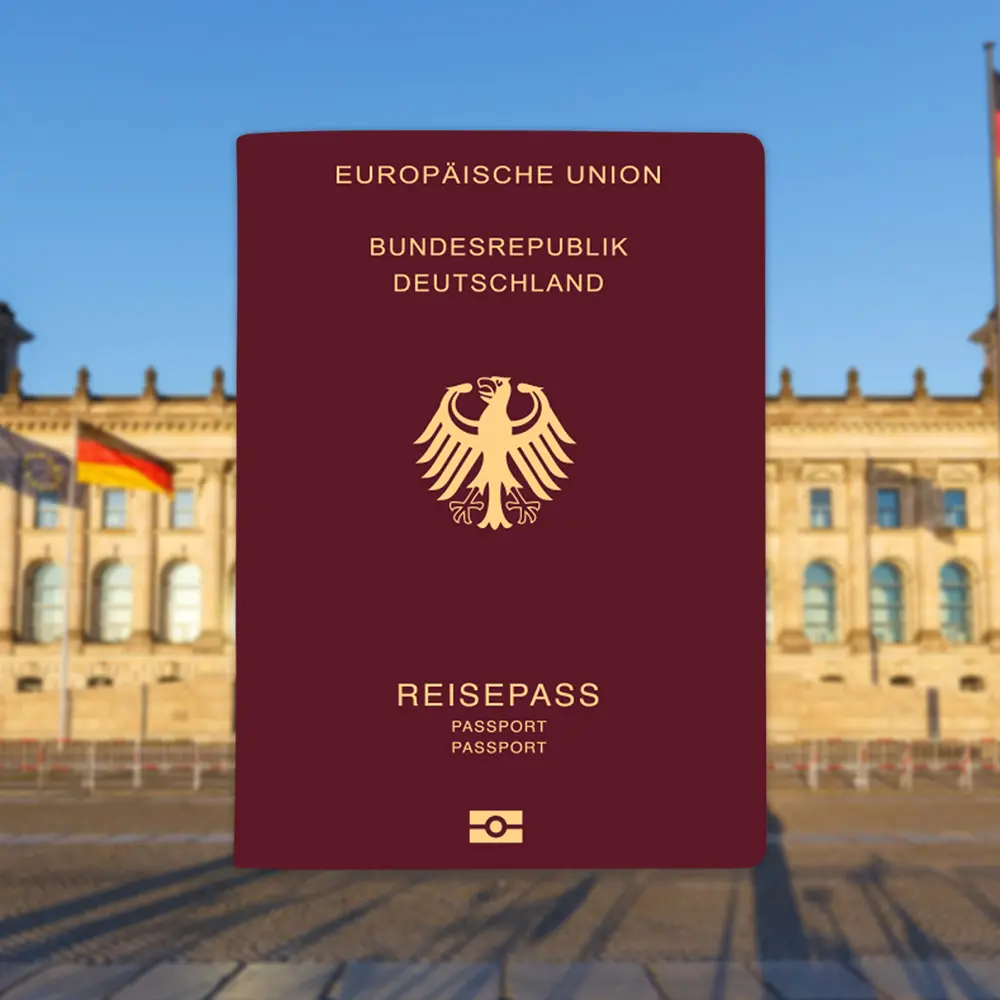
Why it is safer to apply for German citizenship with specialists

Accurately assessing the chances and choosing the best way forward
Lawyers and consultants analyze your situation taking into account all details and select the most reliable basis for filing a dossier, which minimizes the risks of rejection.

Proper preparation of documents
Specialists undertake the collection, translation, legalization of all necessary certificates, certifications and references. This eliminates errors that cause applications to be rejected.

Reduced timeframes due to a proper strategy
Clear step-by-step work and knowledge of bureaucratic intricacies allow us to speed up the citizenship process and avoid unnecessary delays.

Representation in government agencies and dialog with authorities
In case of difficulties or inquiries from officials, migration specialists promptly respond to all appeals and requirements.

Support up to the final stage and after citizenship is granted
Support does not end after the dossier is submitted. You will receive assistance until you receive your passport, and if necessary - with the issuance of ID-card, tax number, residency registration and other documents.
Get a clear algorithm of actions for citizenship registration
Fill out the form to be contacted as soon as possible

Popular questions about German citizenship
How long do I need to live in Germany to apply for citizenship?
The standard period is 5 years if you have successfully integrated (language skills, stable income, no criminal record). In certain circumstances, for example, if you have a German spouse or outstanding merits, the period can be shortened.
Do I have to renounce my previous citizenship?
What level of language proficiency is required for citizenship?
Do I have to take an exam when applying for citizenship?
How long does it take to process a citizenship application?
Can a child obtain citizenship together with a parent?
Reviews on obtaining German citizenship
Obtaining German citizenship seemed like a long and complex journey, but UnionCitizenship made it structured and manageable. Their legal team handled everything from start to finish, and now I’m proud to call Berlin my home.

UnionCitizenship helped me navigate the strict requirements of German citizenship with clarity and confidence. Their attention to detail and excellent communication made all the difference. I now have full rights as a German and EU citizen.
From day one, UnionCitizenship provided honest advice and a step-by-step plan for obtaining German citizenship. They were always available to answer my questions and ensured everything was done in compliance with the law. Highly recommended!
The German system is known for its precision, and UnionCitizenship matched it perfectly. Every document, every deadline, every step – they managed it flawlessly. Thanks to them, I now work and live legally in Munich with full citizenship status.

Find out details about obtaining an EU passport at a free consultation
Fill out a simple form and an immigration lawyer will contact you shortly.