


Best Countries to Retire in 2026: Top Places Ranked by Cost, Healthcare & Visas

- How We Ranked the Best Countries to Retire in 2026
- Top 10 Best Countries to Retire in 2026
- Best Countries by Category
- Cost of Living Comparison for Retirees (2026)
- Retirement Visas & Residency Options
- Healthcare Abroad for Retirees
- How to Choose Where to Retire
Retiring abroad in 2026 offers more options than ever. Greece has emerged as the best overall retirement destination, boasting 300+ sunny days, a laid-back lifestyle, and living costs around one-third of what many Americans pay back home. Other top choices include Panama (famous for its Pensionado visa and low costs), Portugal and Spain (both combining Old-World charm with excellent healthcare), and Thailand and Malaysia (tropical havens with very affordable living). All of these countries rank high for cost of living, quality healthcare, accessible residency visas, safety, and lifestyle. The best country for your retirement will depend on your priorities – whether it’s budget, climate, healthcare access, or ease of integration – but the ten destinations below are a great place to start.
How We Ranked the Best Countries to Retire in 2026
Our rankings are based on a mix of real-world data and expert insights. We considered a range of factors that matter most to retirees seeking a smooth transition abroad:
- Cost of Living: Can you live comfortably on a modest budget? We compared housing, food, utilities, taxes and everyday expenses in each country. Places where your dollars stretch further scored highest.
- Healthcare Quality: We evaluated the availability of quality medical care – both public and private – and how affordable it is for foreign retirees. Countries with universal healthcare or excellent private clinics got top marks.
- Retirement Visas & Residency: How easy is it to get a long-term residence visa? We looked at special retiree visa programs (e.g. Panama’s Pensionado), income requirements, and whether you can gain permanent residency or other benefits. User-friendly visa policies boosted a country’s ranking.
- Safety & Stability: Low crime rates, political stability, and overall safety for expats are crucial. We favored countries known for being welcoming and secure for international retirees.
- Lifestyle & Culture: We factored in climate (many retirees prefer warm weather), leisure activities, and how easy it is to integrate. Strong expat communities, English availability, and cultural attractions all contributed to higher scores.
Each country on our list excels in most of these areas, making them standout retirement havens for 2026.
If you’re considering retiring abroad, choosing the right destination and visa option is crucial for long-term comfort and security. Leave a request for a consultation to get personalized guidance and plan your retirement move with confidence.
Schedule a free consultation and get detailed information from Unioncitizenship lawyers. Start the process today!

Top 10 Best Countries to Retire in 2026
Below are the world’s 10 best retirement destinations for 2026, with highlights of why they shine and key facts on costs, healthcare, visas, and top locales for expats. Whether you dream of a sunny European villa or a tropical beach town, there’s something here for every retirement style.
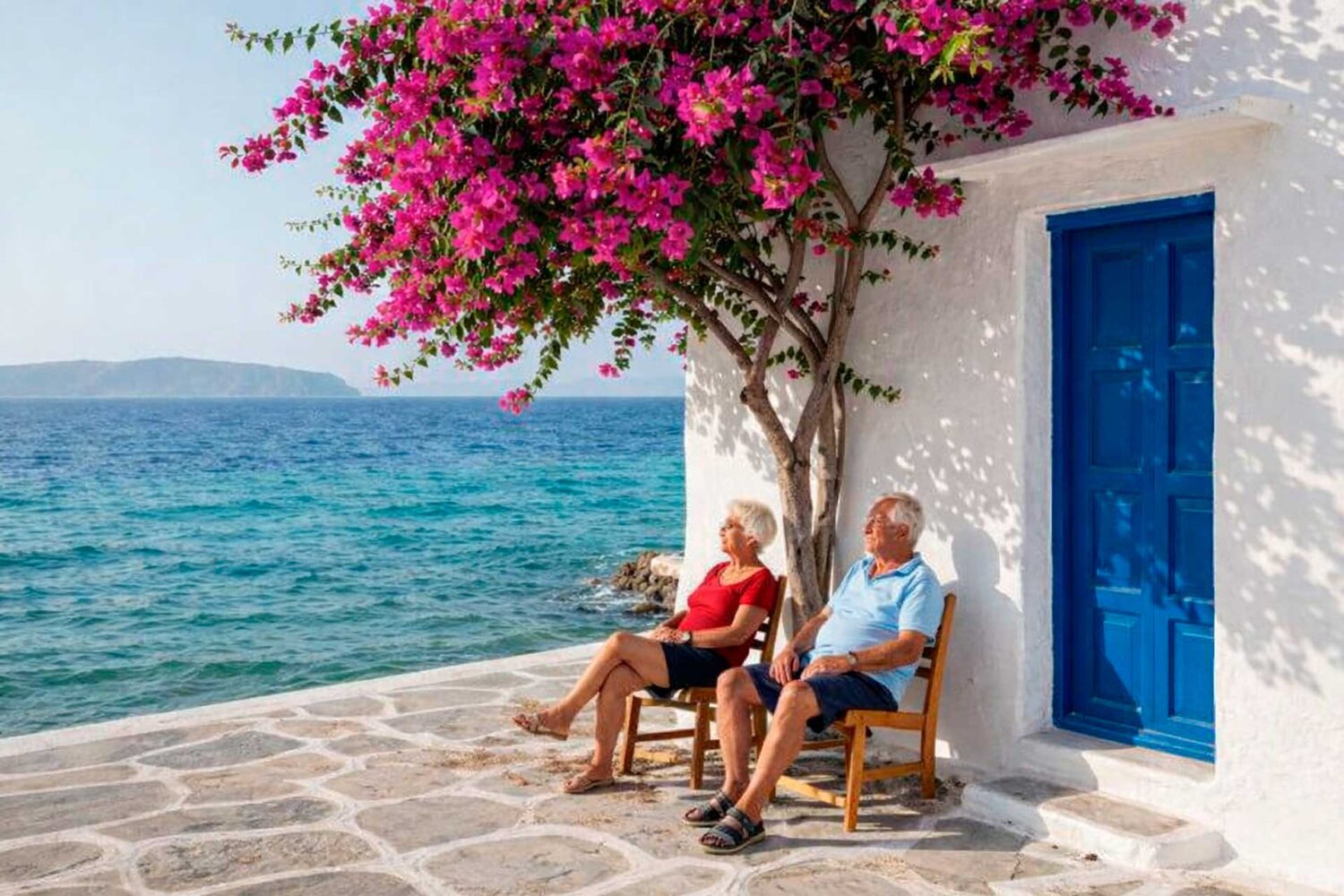
1. Greece — Best Overall Country to Retire in 2026
Why Retirees Choose Greece? Greece has leapfrogged to the top spot for 2026 thanks to its sun-soaked climate (300+ sunny days/year), affordable living, and welcoming Mediterranean lifestyle. The pace of life is “siga siga” – slowly and relaxed – which, combined with rich history, delicious cuisine, and island scenery, quietly transforms your day-to-day life for the better. Expats report that their expenses in Greece are often a fraction of what they paid in the U.S. or Northern Europe, all while enjoying sea views and vibrant local community. In short, Greece offers a high quality of life on a modest budget, making it our best overall retirement haven.
- Average Monthly Cost: Roughly €1,500 for a single retiree and €2,500–€3,000 for a couple, including rent. Many expats live on about one-third of their former U.S. budget in Greece. For example, a three-bedroom home with sea views might rent for only €800–€1,000 per month outside of Athens. Daily expenses like fresh food and local wine are very pocket-friendly.
- Healthcare: Greece has both public and private healthcare. Expats often opt for inexpensive private insurance (around €120–€250/month per person, age-dependent). The private healthcare system is high-quality and affordable – doctors commonly speak English, and appointments or even surgeries cost a fraction of U.S. prices. Once you become a resident, you can also access the public national health system (with nominal fees) for additional peace of mind.
- Residency Visas: Straightforward options are available. Retirees typically use the Financially Independent Person (FIP) permit or a Long-Stay “National” Visa, which require proof of sufficient income/savings (commonly a few thousand euros per month). Greece also offers a Golden Visa (residency by property investment) – currently requiring €250,000+ in real estate purchase, though this threshold can be higher in popular areas. Additionally, a Digital Nomad Visa exists for remote workers. Overall, the residency process is considered relatively uncomplicated, and many expats attain permanent residence or even citizenship after several years.
- Best Places to Live: Popular retirement spots include Corfu and Crete (lush islands with scenic villages), the Peloponnese peninsula (coastal towns like Nafplio), and Athens or Thessaloniki for those who enjoy city amenities. Many Greek islands (Rhodes, Paros, etc.) offer tranquil lifestyles, while the mainland has mountain towns and wine regions to explore. Thanks to Greece’s size and diversity (over 200 inhabited islands and various climates), you can find everything from sunny beaches to snowy mountains within a day’s travel.
2. Panama — Best Retirement Visa & Benefits Program
Why Retirees Choose Panama? Panama is a Central American gem known for its modern infrastructure, tropical climate, and most famously, the Pensionado visa program – arguably the best retirement program in the world. Retirees are drawn by low costs (often 50% less than the U.S.), a safe, stable environment, and the convenience of many English-speaking locals and expats. Panama City offers world-class hospitals and shopping, while smaller towns provide tranquility in nature. Importantly, Panama’s government welcomes foreign retirees: benefits include tax breaks and steep discounts on travel, medical care, entertainment and more for Pensionado residents. With Caribbean and Pacific beaches, mountain retreats, and a short flight from the U.S., Panama ticks all the boxes for an easy, americano-friendly retirement haven.
- Average Monthly Cost: $1,500–$2,500 for a couple covers a comfortable lifestyle in much of Panama. In popular expat areas like Boquete or Coronado, a couple can live well on $1,600–$2,800 per month. Rent for a modern 2-bedroom apartment might range from $600 (in smaller towns) to $1,500 (Panama City). Utilities and groceries are affordable; many expats hire household help due to low costs. Overall, expect your budget to be significantly lower than in North America – some retirees live modestly on near $1,200 a month, while others spending $3,000+ enjoy an upgraded lifestyle.
- Healthcare: Panama offers both a public healthcare system and an excellent private hospital network. In Panama City, private hospitals (like Hospital Punta Pacífica, affiliated with Johns Hopkins) deliver U.S.-level care at a fraction of the price. Doctor visits typically cost just $25–$50 out of pocket. Many doctors are U.S.- or Europe-trained and speak English. Expats often purchase local health insurance for $100–$250 per month (or use international plans). Routine care is so affordable that some pay cash for minor needs. Importantly, no taxes on foreign income in Panama mean your retirement income isn’t taxed by the local government, keeping healthcare and living costs even more manageable.
- Residency Visas: The Panama Pensionado Visa is among the world’s easiest retirement visas. To qualify, you need a lifetime pension of at least $1,000/month (plus $250 for a spouse) – Social Security or a military/civil service pension counts. The process takes ~3–6 months and grants permanent residency. Pensionado residents also get big discounts: e.g. 25% off utility bills, 25-50% off airfare, movie tickets, prescriptions, and more. Even if you don’t have a pension, Panama offers other paths: the Friendly Nations Visa for entrepreneurs/investors, and an Investor Visa for those investing ≥$300,000. These programs, combined with the ability to own property with full title rights as a foreigner, make establishing a life in Panama very straightforward.
- Best Places to Live: Boquete – a charming highland town with spring-like weather and a large expat community – is often the top choice, known for its coffee farms and mountain vistas. Coronado and the Pacific coast beaches offer beach resort living close to Panama City. The capital, Panama City, provides urban perks: luxury condos, dining, and top hospitals (ideal for those who want city convenience). Other favorites include El Valle de Antón (cooler mountain climate), Pedasí on the Azuero Peninsula (laid-back beach town vibe), and Bocas del Toro (lush Caribbean islands with a funky expat scene). Whether you prefer a cosmopolitan city or a tranquil beach, Panama has a region to suit your lifestyle. (Bonus: Panama lies outside hurricane zones and has excellent air links, so it’s both safe and accessible.)

3. Costa Rica — Best Climate & Nature (“Pura Vida” Lifestyle)
Why Retirees Choose Costa Rica? Costa Rica is synonymous with “pura vida” – the pure life, and retirees who move here quickly embrace its meaning. This small country offers exceptional natural beauty (from rainforests and volcanoes to beachy coasts) and a tranquil, happy culture that consistently ranks it among the world’s happiest places. Warm weather year-round, a democratic government, and lack of an army (peaceful vibe) add to its appeal. Retirees love the healthy, active lifestyle: morning walks on the beach, fresh tropical fruits, friendly local “Ticos” and expats to socialize with. Costa Rica also boasts a stable economy, good healthcare, and ease of residency – all while being just a short flight from the U.S. With a moderate cost of living, it’s possible to live comfortably without a huge nest egg. If you dream of lush nature and a relaxed pace, Costa Rica may be your paradise.
- Average Monthly Cost: Most expats live comfortably on $1,600–$3,000 per month depending on location and lifestyle. A single person can live well on around $1,500/month, and a couple on $2,000–$2,500 in many areas. For instance, in a smaller beach town like Puerto Viejo, monthly costs average ~$1,500 (single) or $2,400 (couple). In the Central Valley (San José/Atenas area), $2,000/month can go far. Housing is the biggest variable: outside San José, you can rent a 2-bedroom home for $600–$800. Owning reduces costs further (property taxes are just 0.25%). Groceries and local produce are inexpensive (farmers’ markets are a way of life), and hiring household help is common and affordable. Overall, Costa Rica isn’t the rock-bottom cheapest country, but value for money is excellent, especially given the quality of life.
- Healthcare: Costa Rica has a highly regarded dual healthcare system. The public system (Caja) is available to residents at a very low cost – typically one pays 7-11% of income or a modest monthly fee (~$80 for a retiree couple in some cases). The public hospitals and clinics provide comprehensive care, though wait times for non-urgent procedures can be longer. Many retirees also use private hospitals and clinics, which are modern and affordable, to get quicker attention when needed. Private insurance or membership programs (like MediSmart) can reduce costs further – e.g. a specialist visit might cost $50 with a discount plan. Doctors often train in the U.S./Europe and many speak English in expat-popular areas. Importantly, U.S. Medicare doesn’t cover you abroad, so most American retirees in Costa Rica carry local insurance or pay out-of-pocket for care (which is still far cheaper than in the States). In sum, healthcare is accessible and high-quality – one reason Costa Rica also attracts medical tourists for surgeries and dental care.
- Residency Visas: Costa Rica makes it relatively easy to gain residency. The two main options for retirees are: Pensionado – requires just $1,000 per month in guaranteed lifetime income (pension or Social Security); or Rentista – requires proof of $2,500/month income (for at least 2 years) or a $60,000 deposit in a Costa Rican bank. Both visas are temporary 2-year residencies that can be renewed and lead to permanent residency after 3 years. There’s also an Inversionista visa if you invest $150,000 in property or business. The application process takes a bit of patience (often 6–12 months for approval), but you can live in the country on a tourist visa (90 days entry for Americans/Canadians) and renew or apply in-country. Many retirees hire a local attorney to handle paperwork. Once you have residency, you can enroll in public healthcare (Caja) and enjoy import tax exemptions on household goods, among other perks.
- Best Places to Live: Central Valley (towns like Atenas, Grecia, or Escazú near San José) is popular for its spring-like climate and proximity to top hospitals and shopping. For beach lovers, the Guanacaste region (Tamarindo, Flamingo, etc.) on the Pacific Coast offers expat communities, sunny dry weather, and gorgeous beaches. The Southern Zone (Dominical, Ojochal) is lush and tranquil, with a strong expat presence in towns like Ojochal. On the Caribbean coast, Puerto Viejo de Talamanca has a laid-back vibe and is emerging as an affordable, culturally rich spot. And let’s not forget the capital San José – while not a retirement destination per se, many live in the suburbs around it to be near the best healthcare and urban amenities. Wherever you go, you’ll find that Costa Rica’s communities of retirees are welcoming and active – whether it’s yoga on the beach at sunrise or volunteering locally, the pura vida life is easy to enjoy.

4. Portugal — Best Quality of Life in Europe
Why Retirees Choose Portugal? Portugal has been a favorite among international retirees for years, and it’s easy to see why. This country offers a rare mix of Old-World charm and modern comfort at an affordable cost. Despite its small size, Portugal boasts incredible geographic diversity – golden Atlantic beaches in the Algarve, verdant wine valleys in the north, cosmopolitan cities like Lisbon and Porto, and even island life in Madeira and the Azores. Retirees praise Portugal’s safety, friendly locals, and laid-back lifestyle (long lunches, café culture, festivals). English is fairly widely spoken, especially in the tourist areas, making integration easier. On top of that, Portugal’s healthcare is world-class and accessible, and its residency visas (like the popular D7) have historically been attainable for those with moderate incomes. In short, Portugal lets you enjoy a rich European lifestyle for a fraction of what it would cost in the U.S. or UK – all while soaking up 300 days of sunshine in the south and savoring fresh bread, wine, and seafood at local prices.
- Average Monthly Cost: Portugal is one of Western Europe’s most affordable countries. A couple can live comfortably on about $2,500–$3,000 per month outside the major cities. Even in Lisbon or along the Algarve coast, many couples get by on ~$3,500/month or less by avoiding the priciest neighborhoods. Single retirees often budget around $1,800–$2,200 per month depending on location. Rent is the largest expense: a one-bedroom apartment might be $600–$800 in a smaller city or town, whereas Lisbon proper can be $1,200+ for a modern apartment (still far less than other European capitals). Groceries, local wine, and dining out are refreshingly cheap: a full lunch special (soup, entrée, wine, dessert) can cost under €12 even in Lisbon. Many expats note their overall cost of living, including health care, is easily 30-40% lower than in the U.S..
- Healthcare: Portugal provides universal public healthcare to residents (the SNS system), which is largely free or very low-cost at point of use. Additionally, a thriving private healthcare sector offers faster access and still-affordable prices; many doctors in private hospitals speak English. Expats often use a combo of both: you can carry private insurance for ~€50–€100 per month for added convenience. The World Health Organization consistently ranks Portugal’s healthcare among the top (it was #12 globally in one ranking). For example, routine specialist appointments might cost €50–€100 privately, and surgeries or advanced treatments are a fraction of U.S. prices. Many Americans are astonished to find they can get procedures they postponed at home due to cost. Overall, retirees in Portugal report excellent care, modern facilities, and much lower medical bills. (Note: if you’re moving from abroad, you will need private insurance initially for your visa, but once a legal resident, you can access public healthcare virtually for free).
- Residency Visas: Portugal’s famed D7 visa (Passive Income Visa) is a big draw. To qualify, you currently need to show about €8,400/year (≈$9,000) in passive income for a single person – roughly the Portuguese minimum wage (plus 50% per dependent). In practice, most applicants demonstrate at least €1,000/month income, which covers Social Security or a pension easily. The D7 lets you live in Portugal long-term and even work remotely if desired. There’s also a newer D8 “Digital Nomad” visa for those with higher remote-work income (~€3,000/month). Both are typically converted into a 2-year residency permit upon arrival, extendable to 5 years, after which you can apply for permanent residency or citizenship. Portugal’s Golden Visa (by investment) was another route, but it was ended in 2025 as the country shifts away from property-based visas. Still, the D7 remains one of Europe’s most attainable retirement visas. Add in that foreign pension income can be tax-advantaged (for years, Portugal had a 10% flat tax on foreign pensions), and you have a very retiree-friendly setup.
- Best Places to Live: The Algarve region in the south stands out – towns like Faro, Lagos, Albufeira, Tavira – for its sunny beaches, golf courses, and large expat population (it’s extremely popular with British, German, and Canadian retirees). Lisbon, the capital, offers culture, restaurants, and history in a scenic seaside setting (though at higher cost). Porto and the Douro Valley in the north charm wine lovers and those who prefer a cooler climate and greenery. For a blend of affordability and authentic Portuguese life, many retirees choose medium-sized cities like Coimbra (a historic university city), Braga (known for its churches and cafes), or Évora (in the Alentejo region, famous for wine and olive groves). Cascais, a coastal town near Lisbon, is an upscale option with many international residents. Lastly, island enthusiasts should consider Madeira, a subtropical island dubbed the “Hawaii of the Atlantic,” which boasts year-round perfect weather and a growing expat community. In short, Portugal offers a bit of everything – vibrant city life, peaceful countryside, beach or island living – all within a country roughly the size of Maine.

5. Mexico — Best Value Close to Home
Why Retirees Choose Mexico? Mexico has long been the go-to for North American retirees seeking sun, culture, and value – and it remains true in 2026. The appeal is clear: proximity to the U.S. and Canada (often just a few hours’ flight), a low cost of living, excellent healthcare in major cities, and a huge and welcoming expat network. Mexico offers an astounding variety of climates and landscapes – from colonial highland towns with cool evenings to tropical beach resorts, from modern megacities to quiet fishing villages. Retirees especially love the vibrant culture: colorful festivals, art, music, and of course the delicious cuisine in every region. You can live a very comfortable life here on a modest budget, and many everyday conveniences (like malls, Costco/Walmart, cinemas, high-speed internet) are readily available, especially in areas with big expat communities. With up to 180 days visa-free entry for tourists, Mexico also offers flexibility for “snowbirds” who want to split time north and south. All these factors combined make Mexico arguably the best bang-for-buck retirement country in the Americas.
- Average Monthly Cost: Mexico is highly affordable. In many areas, a single person can live comfortably on $1,200 – $1,500 a month, and a couple on $2,000 – $2,500 a month. Some expats with frugal habits even get by on under $1,000 (particularly if they own their home). Housing costs vary by region: you might rent a nice one-bedroom apartment for $500–$700 in a smaller city or town, whereas in Mexico City or trending spots like Puerto Vallarta that could be $800+. Groceries and dining are inexpensive – local fresh produce is abundant and a plethora of mercados keep food bills low. For example, tropical fruits might be $1–$2 per kilo. Hiring a housekeeper or gardener is common due to low labor costs. Bottom line: retirees often find they can “upgrade” their lifestyle (more dining out, maybe domestic help, nicer housing) and still spend far less than they did in the States. As one expat quipped, “I live like a king on $3,000 a month here”.
- Healthcare: Mexico’s healthcare is excellent and affordable, one of its unsung strengths. Big cities and expat hubs have modern private hospitals – some of which are internationally accredited – with care at 50–70% less cost than equivalent U.S. care. Many doctors speak English and have U.S. training. Out-of-pocket prices are low: you can see a GP for $30 or a specialist for $50. For example, an ER visit and treatment might be only a few hundred dollars. Private insurance for retirees (age 60s) ranges roughly $1,500–$3,000 per year, depending on coverage. Mexico also has a public healthcare system (IMSS) that legal residents can opt into for a small yearly fee, though many expats prefer private care for shorter wait times. It’s common for retirees to pay cash for routine meds and doctor visits since prices are so reasonable – e.g. a friend’s insulin was $45 in Mexico versus $300 in the U.S.. Moreover, many medications are available over the counter. The net effect is peace of mind: quality care is accessible and won’t break the bank.
- Residency Visas: Mexico makes it relatively easy to stay long-term. Tourists from the U.S. and many countries get up to 180 days visa-free on entry, which is great for snowbirds. For those moving full-time, the main path is a Temporary Resident Visa, usually obtained by showing financial solvency (around $2,100 in monthly income or ~$35,000 in savings for a single applicant, with higher thresholds for couples) – specific requirements vary by consulate. Temporary residency is granted for 1 year (renewable up to 4 years), after which you can switch to Permanent Residency (which has no ongoing income requirement). Alternatively, if you have higher income ( ~$4,300/mo) or savings, you can sometimes qualify for Permanent Residency from the start. There’s no minimum age for these retirement visas; many younger retirees use them too. Mexico’s residency process is straightforward and often quite fast. Once a resident, you can enroll in public healthcare (IMSS/INSABI) if desired, and you’re free to buy property (with some restrictions near coasts/borders, easily handled via a trust). Bonus: Mexico offers special senior discount cards (INAPAM) to residents over 60, giving 10–50% off many services from medical fees to museum tickets.
- Best Places to Live: Mexico’s diversity means there’s a retiree haven for everyone. Some perennial favorites: Lake Chapala/Ajijic – the world’s largest expat retirement community, known for its perfect climate and village charm. San Miguel de Allende – a highland colonial town with an artsy vibe (UNESCO heritage site, large U.S./Canadian community). Puerto Vallarta – Pacific coast city combining beaches with modern amenities and hospitals. Mérida – safe, cultural city in the Yucatán with low costs and rich Mayan heritage. Playa del Carmen/Tulum (Riviera Maya) – Caribbean beaches and reef, popular with those who love tropical living. Puerto Escondido – for a quieter beach life on the Oaxaca coast. Mexico City – yes, some retirees love the excitement of the capital’s museums, dining and parks (and take side trips to beach towns). Also notable: Mazatlán (affordable Pacific coast), Ensenada (Baja wine country by the sea, very close to California), and Cuernavaca (“City of Eternal Spring”). The list goes on – part of the joy of retiring in Mexico is the ability to travel and explore its many regions easily and cheaply, before settling on your perfect spot.

6. Italy — Best Culture & Lifestyle Experience
Why Retirees Choose Italy? For those who dream of la dolce vita in retirement, Italy is unsurpassed. This country offers a rich tapestry of history, art, music, and of course cuisine, that is woven into everyday life. Retirees are drawn to Italy’s deep cultural heritage – from world-class museums and ancient ruins to seasonal food festivals and friendly neighborhood cafés. But beyond the romance, Italy also provides practical perks: a comfortable climate (you can find everything from snowy Alps to sunny Sicilian beaches), a high-quality healthcare system, and many under-the-radar towns with surprisingly low living costs. In fact, while cities like Milan or Rome are expensive, much of Italy – especially the south – is very affordable and welcoming to foreigners. The Italian lifestyle emphasizes community, family, and leisure. Whether you imagine strolling through a Tuscan market, enjoying a cappuccino in a piazza, or chatting with friendly locals during the evening passeggiata (stroll), Italy lets you savor life’s simple pleasures. It truly delivers “scenery, food, and culture in spades” – making it a top pick for an enriching retirement abroad.
- Average Monthly Cost: Italy’s cost of living varies widely by region. Generally, a couple can live well in a smaller Italian town for around $2,000–$2,500 per month, whereas in a big city (or popular areas of Tuscany/Lake Como) you might budget $3,000–$3,500+. A single person in the south or a rural area can get by on $1,500 a month or even less. For example, the author of one International Living report rents a luxury 1-bedroom in Palermo, Sicily for €800 ($925) a month, noting that similar apartments in smaller towns can be as low as $400/month. Groceries, local wine, and fresh produce are inexpensive (Italians spend surprisingly little on ingredients thanks to local markets). Eating out can be affordable too: a multi-course meal at a family-owned trattoria might be $20–$30. Utilities and internet are on par with EU averages – perhaps $150–$200 combined. Property prices also range widely: you can still find habitable homes in some villages for under $50,000. In summary, Italy can fit a moderate budget if you choose your location wisely (southern and rural areas are cheapest), while offering an unrivaled lifestyle value.
- Healthcare: Italy provides universal healthcare (Servizio Sanitario Nazionale, SSN) to all residents, including foreign residents with elective visas. The system is generally high-quality – Italy often ranks in the top 10 globally for healthcare performance. Primary care and emergency services are very accessible; many expats are impressed by the professionalism. As a retiree on an elective visa, you will need to enroll in the national health plan which may involve an annual fee (around €388/year per person under 65, and higher above 65 – roughly $450+). Once enrolled, most care is free or very low cost (small co-pays for specialist visits or prescriptions). Alternatively, some expats choose private insurance for convenience, but even private care in Italy is reasonably priced compared to the U.S. For example, an English-speaking doctor visit might be €50. In northern cities, hospitals are world-class; in some rural southern areas, infrastructure can be more limited, but there’s always the option to use private clinics if needed. No exclusions for pre-existing conditions or age in the public system is a big plus. Overall, Italy offers peace of mind with healthcare – you won’t worry about medical bankruptcy here, and quality of care is generally excellent (especially in central/northern Italy).
- Residency Visas: Most retirees in Italy use the Elective Residence Visa (ERV). This visa is for people who have sufficient passive income/savings and do not need to work in Italy. Currently, you must show annual income of about €31,000 for a single or €38,000 for a couple (from pensions, investments, etc.). In addition, applicants typically need a rental lease or proof of accommodation in Italy, health insurance (for the visa stage), and a clean background check. The ERV is issued for one year and can be renewed annually. After 5 years, one can apply for a permanent residency card (EU Long-Term Resident permit). Note that the ERV does not allow you to work locally, but remote work for non-Italian companies is generally tolerated. Another option if you’re open to investing is the Investor Visa (for those who invest €250K+ in Italian startups or €500K+ in an Italian company, etc.), but that’s less common for typical retirees. There’s also a new Digital Nomad Visa expected for remote workers, which might interest those not fully retired. Bottom line: Italy’s retiree visa process involves a lot of paperwork and patience (Italian bureaucracy is infamous), but thousands of Americans have done it successfully. Once you’re settled with a Permesso di Soggiorno (residence permit), you’re free to enjoy Italy and even travel visa-free throughout Europe’s Schengen zone as a bonus.
- Best Places to Live: Italy offers an embarrassment of riches when it comes to beautiful places. Some beloved choices: Tuscany and Umbria – rolling hills, vineyards, medieval towns (think Cortona, Lucca, Orvieto, Spoleto) – for that classic countryside life. Le Marche and Abruzzo regions are up-and-coming, offering similar charm at lower prices and with Adriatic coast access. For city lovers, Rome has history and vibrancy (though it’s chaotic and pricier), Florence is an art lover’s dream, and Milan is modern and cosmopolitan (with a higher cost). Northern Italy appeals to those who enjoy four seasons: consider Turin (underrated cultural city), or the Lake District (Lake Como, Garda – stunning scenery, but property prices can be high). Southern Italy and the islands are ideal for budget and warm weather: Puglia (towns like Ostuni or Lecce) offers olive groves and baroque architecture with some of Italy’s lowest costs; Sicily (Palermo, Taormina, Siracusa) has a bit of everything – beaches, history, wine country – at bargain prices; Sardinia has gorgeous beaches and a laid-back island vibe. Also worth mentioning: Bologna (known for food and Italy’s oldest university, lively but not too big), Trieste (port city with Austro-Italian culture), and Viareggio/Lucca area (if you like being near both seaside and Renaissance towns). Each region in Italy has its own flavor – part of the fun is exploring and finding the spot that feels like home to you.

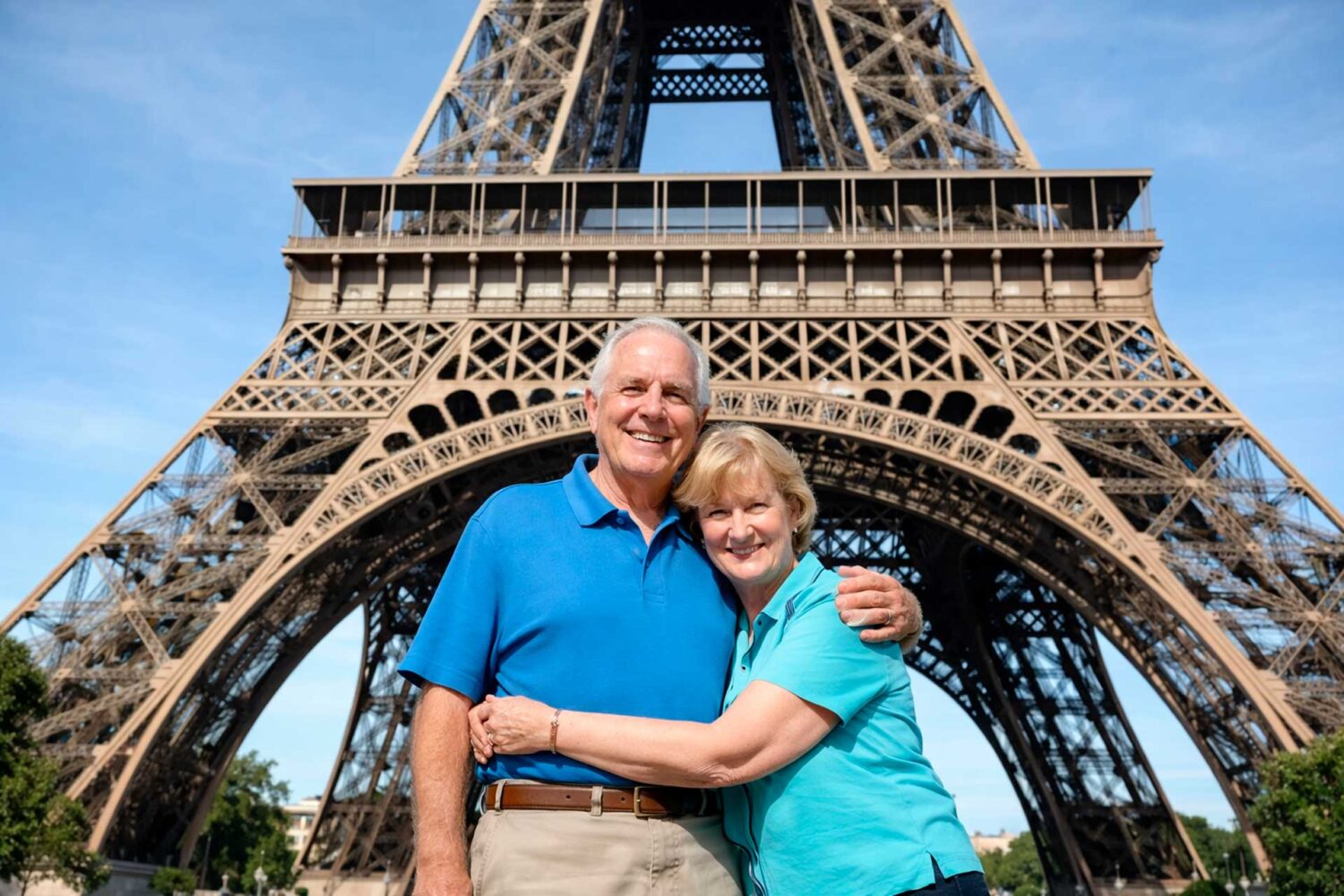
7. France — Best Healthcare & Refined Living
Why Retirees Choose France? France captivates retirees seeking a high-quality, sophisticated lifestyle with excellent services. Known for its superb healthcare system and generous social benefits for residents, France offers peace of mind on the practical front – you’re taken care of, no matter your age or health status. At the same time, daily life can feel like a dream: morning trips to the boulangerie for fresh baguettes, afternoons at an outdoor café with a €1 espresso, local markets overflowing with cheeses and produce, and postcard-worthy landscapes from vineyards to Alpine lakes. While Paris is world-famous, many retirees find their paradise in provincial France – think sun-drenched villages in Provence, charming towns in Brittany or Normandy, or the scenic Dordogne Valley. Cost of living in these areas can be surprisingly reasonable (often less than big U.S. cities). The French deeply value art de vivre – the art of living – which means leisurely meals, plenty of vacation time, and a general enjoyment of the good things in life. For an active, healthy, and culturally rich retirement, France is hard to beat.
- Average Monthly Cost: A retired couple can live in France for around €2,100–€2,500 per month ($2,300–$2,700) in many regions. In fact, one estimate suggests a couple’s budget could be as low as €2,000 in smaller towns, though in sought-after areas or larger cities it could rise to ~€3,200 ($3,700). Housing will likely be your biggest expense: rents vary widely. For example, a two-bedroom apartment in rural or small-town France might rent for €800, whereas in Paris the same could be €2,000+. The good news is outside Paris and the Riviera, rents and real estate are dramatically cheaper than in the U.S. – often half the cost for comparable small-city living. Groceries and daily needs are moderately priced, and the quality is outstanding (France’s food supply is high quality even in supermarkets). Dining out ranges from cheap café lunches to pricey gourmet dinners, but even neighborhood restaurants often have fixed-price lunch menus under €15. Many expats report that France’s efficient public services and lower healthcare costs free up more of their budget for leisure. Overall, while Paris and tourist hot-spots are expensive, retiring in most of France is quite attainable on a modest income – and the lifestyle perks are priceless.
- Healthcare: France arguably has the best healthcare in the world for retirees. The system is a universal multi-payer model that covers everyone residing in France, with the government reimbursing a large portion of costs. After three months as a legal resident, expats can typically enroll in France’s public health insurance (PUMA). There is usually a yearly fee based on income – some quote roughly €2,300/year for higher-income expats – but then you’re covered. Doctor visits are cheap (around €25, and 70% reimbursed, meaning net ~€7 out of pocket). Prescription medicines are largely subsidized. Importantly, if you have a serious chronic condition (e.g. cancer, diabetes), France covers 100% of those treatment costs. Many expats also buy a top-up private insurance policy (called mutuelle) for €50–€100/month to cover copays and extras – then essentially all healthcare is zero-cost. Hospitals in France are modern and not overcrowded; you can often book specialist appointments directly without long waits. And unlike some countries, no age or pre-existing condition exclusions apply – everyone is welcome in the system. This gives retirees tremendous peace of mind. In surveys, expats constantly rave that healthcare in France is not only affordable, but the quality is superb and doctors actually take time with patients.
- Residency Visas: Non-EU retirees typically move to France on a Long Stay Visitor Visa (visa de long séjour temporaire), often referred to as a retirement visa. To qualify, you must show proof of sufficient income (around €1,400 per month for a single person as of recent guidelines, and more for a couple), plus private health coverage for the initial visa period, and a French address (rental or owned). This visa requires you to state you will not engage in local employment (remote work for foreign companies is generally tolerated). It’s usually issued for one year, and upon arriving in France, you validate it and later can renew annually (or switch to a multi-year residence permit). After 5 years of continuous residency, you can apply for a 10-year resident card or citizenship (if you meet language and integration criteria). Another pathway is via France’s Passport Talent (Financial Investor) visa if you invest €300,000 in a business or real estate, but that’s less common for retirees. By and large, France’s visitor residency is accessible if you have steady retirement income and patience with paperwork. One more note: Since Brexit, UK citizens now need visas like other non-EU nationals, so Americans and Brits are in the same boat. French bureaucracy can be a bit slow, but the result – enjoying your golden years in la République – is worth it.
- Best Places to Live: The choices span a wide range. Many retirees adore Provence in the south – Provence-Alpes-Côte d’Azur has lovely towns (Aix-en-Provence, Avignon, Nice, smaller villages like St-Rémy) with warm climates, though parts can be pricey. Occitanie (Languedoc) offers historic towns like Carcassonne or Uzès and Mediterranean beaches, often at lower cost than Provence. Bordeaux and the Dordogne region are magnets for British and American retirees – think wine country, river valleys, and fairytale villages (e.g. Sarlat in Dordogne) where life is peaceful. If you prefer milder summers, Brittany (northwest) has a beautiful coastline, Celtic-influenced culture, and relatively cheap property. Paris is an option for an urban retirement full of culture (some do retire on surprisingly moderate budgets by renting in less expensive suburbs or smaller apartments – and with no need for a car, other costs are saved). Lyon is another city often praised: it’s France’s culinary capital, more relaxed than Paris, and strategically located near the Alps and Provence. Alsace (Strasbourg, Colmar) offers storybook charm and a mix of French-German culture. And for those seeking sun + sea with a smaller budget, the French Riviera might be out of reach, but France’s Pyrenees area or Mediterranean towns near Spain (like Perpignan) can be surprisingly affordable alternatives. Ultimately, France has a corner to suit every taste, whether it’s a farmhouse amid lavender fields or a chic apartment steps from a patisserie.
8. Spain — Best All-Around Lifestyle (Sunshine & Healthcare)
Why Retirees Choose Spain? Spain is often considered the “total package” for retirement: a sunny Mediterranean climate, a relaxed and sociable lifestyle, reasonable living costs, and a top-notch healthcare system. It’s no wonder Spain consistently ranks among the top retiree destinations globally. From the beaches of the Costa del Sol and Costa Blanca to the cultured cities of Barcelona, Valencia, or Madrid, Spain offers something for everyone. Retirees love the outdoor lifestyle – long walks on the beach or promenades, al fresco dining at 10 pm, fiestas and local festivals, and sports from golf to sailing. The presence of well-established expat communities (including large British, German, and increasingly North American retiree groups) means you can easily find English-speaking friends and services if needed, especially along the coasts. Yet Spain also retains its distinct culture and charm – you’ll quickly adapt to the rhythm of siesta and the joy of tapas hopping in the evenings. With over 300 days of sunshine a year in parts of Spain and very friendly locals, life here can feel like a permanent vacation – but with all the practical comforts you need for a long stay.
- Average Monthly Cost: Spain remains quite affordable compared to other Western European countries. A couple can live comfortably in many parts of Spain on about $2,400–$2,800 per month, and a single on around $1,600–$1,800. For instance, a one-bedroom apartment in a coastal city like Málaga or Alicante might cost €700–€1,000/month to rent, while in a smaller inland town it could be under €600. Day-to-day expenses (groceries, utilities, transport) are modest: groceries for two might be €300–€400/month, and even in cities, public transit is excellent and cheap (a bus/metro pass ~€40). Dining out is a national pastime and is easy on the wallet – lots of fixed “menú del día” lunches for €10–€15. According to one relocation guide, monthly essentials for a couple (rent, food, utilities, local transport, healthcare) can be covered by about €2,200–€2,900 in Spain. Of course, choosing where matters: Madrid and Barcelona are pricier (especially housing), whereas smaller cities (Valencia, Granada, etc.) and most of Andalusia or Murcia regions are cheaper. Overall, retirees often find they improve their quality of life in Spain and spend less than they did back home – truly a win-win situation.
- Healthcare: Spain provides outstanding healthcare, frequently ranking in the world’s top 10. All residents, including foreign retirees with residency, can access Spain’s public healthcare (Seguridad Social) by joining a special pay-in program (Convenio Especial) if not otherwise covered. This program costs around €60/month (under age 65) or €157/month (65+) for full public coverage. Many expats opt to use private health insurance as well or instead, which is also relatively inexpensive – for example, a healthy couple in their early 60s might pay around €300/month total for comprehensive private insurance. The quality of care is high in both systems; public hospitals handle serious procedures and emergencies well, while private clinics can offer faster scheduling for elective appointments. Wait times in the public system can be longer for specialists, which is why combining it with private insurance (to see doctors quickly) is popular. Crucially, out-of-pocket costs are low: prescription drugs are often subsidized (a common blood pressure med might cost €2), and seeing a specialist privately might be €80 if not insured. English-speaking doctors are common in major cities and resorts frequented by expats. Additionally, Spain is known for specialties like cardiac care and organ transplants, reflecting its advanced system. In short, retirees in Spain can expect accessible, affordable, and high-quality medical care, giving confidence to enjoy life knowing your health is in good hands.
- Residency Visas: Spain’s main retirement visa is the Non-Lucrative Visa (NLV), ideal for non-EU retirees. To qualify, you must show income or savings of about €2,400/month for an individual (which is 400% of Spain’s IPREM income index), plus ~€600/month for each dependent. This translates to roughly €28,800 a year for a single, or ~€35,000 for a couple, in 2025/2026 terms. The income can be from pensions, investments, etc., and you also need to have private health insurance initially. The NLV doesn’t allow you to work in Spain, but you can renew it – it’s issued for 1 year, then can be renewed for 2 years twice, and after 5 years total you can get permanent residency. Spain also launched a Digital Nomad Visa recently for remote workers earning above ~€3,500/month, which some younger “retirees” or semi-retirees use. Notably, Spain’s Golden Visa (by investing €500k in property) was halted in 2025 amid policy changes, so the NLV is now the primary path. As for EU citizens, they don’t need visas at all – they just register upon arrival. One more tip: Many U.S. and Canadian retirees first try out Spain on 90-day tourist stays (the limit in Schengen Area) and then apply for the NLV once they’re sure. This can be a smart way to sample the lifestyle before committing. Once you have Spanish residency, you can enjoy the healthcare system and even potentially benefit from tax breaks (Spain has a Beckham Law that can cap taxes for foreign residents under certain conditions).
- Best Places to Live: Spain has numerous retirement-friendly spots. Popular coasts include the Costa del Sol (towns like Málaga, Marbella, Nerja – lots of sun and large expat groups), and the Costa Blanca around Alicante and Valencia (sunny, slightly cheaper, very popular with Europeans). Balearic Islands (Mallorca, Ibiza, Menorca) are gorgeous though more expensive. For city life, Valencia often hits the sweet spot – a mid-sized, affordable coastal city with great culture and healthcare (it’s frequently ranked among the top expat cities worldwide). Barcelona and Madrid offer big-city excitement, though at higher cost and with less English spoken compared to expat enclaves. Many retirees love smaller cities and towns: Granada (historic charm and free tapas), Seville (flamenco and warm winters), Jerez (sherry wine region), Santander or Oviedo (if you prefer cooler climate up north, with green landscapes). Spain’s islands are also worth mentioning: the Canary Islands (Tenerife, Gran Canaria, etc.) have arguably the best climate in the world (eternal spring) and no winter – they’re farther from mainland (off Africa’s coast) but popular with European retirees. In essence, whether you fancy a white-washed Andalusian village or a modern condo by the Mediterranean, Spain has a place that can feel like home. Plus, excellent infrastructure and transport (including high-speed trains) mean you’re always a ride away from exploring another beautiful corner of the country.
9. Thailand — Best Low-Cost Tropical Paradise
Why Retirees Choose Thailand? Thailand offers an exotic, tropical retirement where your money stretches wonderfully far. Known as the “Land of Smiles,” Thailand has a welcoming culture, stunning landscapes (from Bangkok’s urban skyline to golden beach islands and misty northern mountains), and a cost of living that can be one of the lowest for the quality provided. Retirees are enchanted by the warm climate, the affordability of luxuries (think massages, housekeeping, dining out) and the ease of life – Thailand is very modern in conveniences, especially in cities and larger towns. Fast internet, great public transport in cities, and plenty of Western amenities make daily life “aggravation-free” as one expat put it. Yet you also have the adventure of a new culture: colorful Buddhist festivals, night markets, street food that’s some of the best in the world, and friendly locals who respect elders. Importantly, Thailand has a variety of expat hubs – so you can find English-speaking communities if you want – but also very affordable real estate and services, enabling even retirees on just Social Security to live very well here. If your vision of retirement includes palm trees, turquoise seas, and a deluxe lifestyle on a budget, Thailand might be your number one.
- Average Monthly Cost: Thailand is famously affordable. A single retiree can live comfortably on $1,200 per month or even less in many areas. For example, in Chiang Mai (a popular northern city), one could rent a studio for $300, spend $300 on food, $100 on utilities/phone, and still have room for fun within $1,200. A couple with about $2,000–$2,500 per month can live quite extravagantly by local standards. In fact, two people living on the average U.S. Social Security combined (around $3,800) can enjoy a luxurious lifestyle: perhaps a beachfront bungalow for under $1,000 rent, $300 on groceries, regular meals out, a housekeeper, and frequent massages and still have money left over. Here are some sample costs: local Thai food is very cheap (one can eat street noodle soup for $1–$2; a nice Thai restaurant meal $5–$10). Utilities are modest (electricity $50–$100 unless running A/C constantly). Hiring help – cleaners, gardeners – might be $15/day. Owning a car is optional (and gas ~$4/gal), but many use public transit and apps like Grab; in cities like Bangkok, the train is super cheap. Overall, retirees often find they spend 50% (or less) of what they did in the West for a comparable or better lifestyle.
- Healthcare: Thailand has become a medical tourism powerhouse, known for high-quality healthcare at low cost. In cities like Bangkok, Chiang Mai, and Phuket, you’ll find international hospitals (e.g. Bumrungrad, Bangkok Hospital) that cater to foreigners with English-speaking staff and top specialists. Costs are a fraction of U.S. prices – roughly one-third, on average. Example: a dental cleaning might be $30, an MRI $300, or an overnight hospital stay under $500. Routine doctor visits are $15–$50. Many expats simply pay out of pocket for care due to low costs, especially if they’re relatively healthy. However, private health insurance is also available and inexpensive compared to the West. A 60-year-old might pay $1,500/year for a comprehensive plan, though prices increase with age. Thailand also offers a special expat health insurance scheme (recently required for retirement visa holders over 50) which ensures you have at least basic coverage. The quality of doctors and hospitals is very high – Thailand’s surgeons and specialists are often trained in Western countries. Even outside major cities, larger provincial hospitals are decent (though not all staff will speak English). Many expats do an initial medical check-up trip to Bangkok when needed, then follow-up locally. The bottom line: world-class healthcare is readily available, fast, and affordable – a major plus for retirees in Thailand.
- Residency Visas: Thailand welcomes retirees through several visa options. The standard is the Non-Immigrant O-A “Retirement Visa”, available to those aged 50+. To qualify, you must show finances: either a bank deposit of 800,000 THB (~$22,000) in a Thai bank, or 65,000 THB/month income (~$1,800). Health insurance with minimum coverage (400,000 THB inpatient) is also now required. The O-A visa is obtained from a Thai consulate and is valid for 1 year, renewable annually (renewals can be done inside Thailand by meeting the financial requirements). There’s also an O Visa (Non-immigrant O) which some use if already in Thailand, with similar requirements. For those with more means, Thailand launched a Long-Term Residence (LTR) visa – a 10-year visa for wealthy retirees, investors, or certain skilled professionals. The retiree LTR requires $80,000 income/year or $1 million in assets, so it’s not for everyone, but it comes with perks like fast-track airports and multiple entry. Additionally, a Digital Nomad visa exists for remote workers with $80k income/year, but that’s geared to younger expats. Another popular route: Elite Visa – essentially a residency purchased via a membership program (costs ~$18,000 for a 5-year visa). Many retirees simply opt for the regular retirement visa (O-A) and have been renewing it for years without issue. Thai immigration rules do change often, so it’s wise to stay informed, but generally Thailand’s visa system remains expat-friendly, especially for those who meet the financial criteria.
- Best Places to Live: Thailand’s retirees tend to cluster in a few hotspots. Chiang Mai in the north is legendary – a mid-sized city with a historic center, many temples, cooler winters, and a big expat community (known for its affordability and arts scene). Bangkok, while busy, does attract some retirees who love city life – it offers endless dining, shopping, and excellent hospitals (you might base in a quieter suburban district of Bangkok to have calm when you want it). The beach areas are a huge draw: Pattaya and nearby Jomtien have long-established expat retiree scenes (Pattaya is known for its entertainment, while Jomtien is a bit quieter and very popular with retirees). Hua Hin – a beach town south of Bangkok – is another retiree favorite, home to the Thai royal summer palace, golf courses, and a sizeable Western community (with a more laid-back vibe than Pattaya). Down in the south, Phuket island offers beautiful beaches and a more upscale lifestyle (costs there are higher though), and Chiang Rai in the far north is a smaller, cooler city for those who really want a slow pace. There are also expats in Koh Samui (island) and Udon Thani (northeast Thailand, popular with some U.S. veterans). In short, whether you want tropical beaches, urban excitement, or quiet mountain life, Thailand has a spot that can feel like home – all at very reasonable cost. And thanks to Thailand’s central location in SE Asia, you can easily travel to neighboring countries (Vietnam, Bali, etc.) for side trips, enriching your retirement further.

10. Malaysia — Best English-Speaking Affordable Haven in Asia
Why Retirees Choose Malaysia? Malaysia is a bit of a hidden gem for retirees – it offers many of the benefits of Thailand (tropical climate, low costs, beautiful beaches) but with an extra advantage: English is widely spoken, a legacy of British colonial history. This makes daily life, from shopping to seeing doctors, extremely easy for Western retirees. Malaysia is culturally diverse (Malay, Chinese, Indian communities all live here), which means a fascinating mix of cultures, festivals, and cuisines – and indeed, the food is often cited as Southeast Asia’s best. Retirees are drawn to Malaysia’s high standard of living at a low price: modern infrastructure, shiny malls, efficient public transport, and excellent healthcare co-exist with affordable markets and hawker stalls. The country is also quite safe and politically stable. With its welcoming expat policies (like long-term visas under certain conditions) and the ability to buy property freely as a foreigner, Malaysia provides a comfortable, cosmopolitan retirement – often at a cost even lower than Thailand’s. From the capital Kuala Lumpur’s skyscrapers to the historic streets of Penang or the beaches of Langkawi, you’ll find that Malaysia has a spot for every taste, all with that hallmark friendly, multilingual environment.
- Average Monthly Cost: Malaysia is very affordable. A single person can live well on around $1,500–$1,800 per month, and a couple on $2,500–$3,000, depending on lifestyle. For example, in the popular expat enclave of Penang, an IL correspondent noted he spends about 10,000 MYR ($2,200) per month living quite comfortably (eating out often, renting a large condo, etc.). But one could live on less: nice one-bedroom apartments can be found for 1,500–2,500 MYR ($330–$550) in smaller cities or inland areas, while high-end condos in expat-oriented buildings (pool, gym, security) might be 3,500–4,500 MYR ($750–$1,000) in Penang or Kuala Lumpur. Groceries and dining are cheap – thanks to Malaysia’s mix of cultures, you have abundant local markets and food stalls: you might get a delicious plate of char kway teow noodles for under $2. Utilities are fairly low (electricity can spike if using a lot of A/C, but otherwise moderate). If you drive, gas is inexpensive due to subsidies, and cars cost less than in many countries. Many expats also note they can afford luxuries like a weekly maid, frequent dining out, or even short trips around Asia – all within a moderate budget. English proficiency also means no “expat premium” on services – you can deal with locals directly and get local prices. In summary, Malaysia offers a first-world lifestyle at a fraction of Western costs, especially outside the expat bubble of downtown KL.
- Healthcare: Malaysia’s healthcare system is excellent and often overlooked. It has a network of modern private hospitals that cater to medical tourists and locals alike, with highly trained doctors (many trained overseas) and very advanced facilities. The cost is extremely low by Western standards: seeing a specialist might cost $15–$30, and many complex procedures are 20-25% of U.S. prices. Routine healthcare is so affordable that many retirees pay out-of-pocket; however, there are also international health insurance plans available if one wants broader coverage. Penang and Kuala Lumpur in particular have world-class hospitals (e.g. Penang Adventist, Gleneagles). There is also a public system that is practically free for citizens, but foreign residents typically use private hospitals because they’re still cheap and less crowded. Malaysia often ranks among the top healthcare systems in the region, and it shows – wait times are short, service is attentive (some hospitals even offer concierge-like services for foreign patients), and English is spoken by most medical staff. It’s not surprising that Malaysia has been named a top destination for healthcare by organizations like International Living. Retirees can truly relax knowing any health need can be taken care of quickly and affordably here, from dental work to major surgery.
- Residency Visas: Malaysia historically offered one of the most attractive retiree visas: the Malaysia My Second Home (MM2H) program. MM2H allows foreigners of any age to get a renewable 5-10 year residency visa if they meet certain financial requirements (previously around $2,500/month income and a fixed deposit in a Malaysian bank). However, in recent years the national MM2H terms were tightened: now requiring a higher monthly income (~$10,000) and larger deposits, which put it out of reach for many. Good news: the state of Sarawak (on Borneo island) offers a more relaxed MM2H with lower requirements, and there is talk of further adjusting the rules. Even without MM2H, many retirees enter on long-term tourist stays or other visas. Additionally, Malaysia introduced a “Premium Visa Programme” in late 2022 for wealthy investors, and a Digital Nomad Pass (DE Rantau) for remote workers, valid 12 months. If you do qualify for MM2H (or choose Sarawak’s version), it’s a fantastic option – it grants a 5-year multi-entry visa (renewable), the right to buy property, even to bring a car. Bottom line: Malaysia’s visa landscape is in flux, but it’s still quite possible for retirees to settle long-term, especially with some financial planning. Many simply start by exploring on 90-day tourist entries (which are free for most nationalities) and then work with local agencies to obtain MM2H or a spousal/dependent visa if married to a local. Despite recent changes, Malaysia remains welcoming to expats and keen to attract foreigners to live and invest there.
- Best Places to Live: Penang Island (especially the area around George Town) is often the top choice – it’s a cultural melting pot with colonial architecture, famous street food, beaches, and a sizeable expat community. Penang provides a great balance of modern amenities and historic charm, earning it the nickname “Pearl of the Orient”. Kuala Lumpur (KL), the capital, offers big-city living: luxury condos, endless shopping, international restaurants – ideal for those who want all comforts (and an easy travel hub). However, KL is more hectic and a bit pricier than elsewhere in Malaysia. Malacca (Melaka), another historic town, is smaller and known for its heritage and riverfront beauty – some retirees love its slower pace. Langkawi, a duty-free island, attracts those wanting a relaxed beach/island life with modern condos and marinas (alcohol is duty-free too, a nice perk!). On the eastern peninsula, Kuala Terengganu or Kuantan offer quieter coastal lifestyles. Over in Borneo (Sabah and Sarawak), cities like Kota Kinabalu offer stunning nature (rainforests, diving, mountains) and a laid-back vibe, though healthcare access is a bit more limited than KL/Penang. Importantly, English is common across urban Malaysia, so you can pick based on climate and culture preference rather than language concerns. Whether you prefer the cosmopolitan buzz of KL or the island breezes of Penang/Langkawi, you’ll find that Malaysia delivers a comfortable, English-friendly retirement amid the beauty of Southeast Asia.

Best Countries by Category
Sometimes the “best” overall country might not be the best for you, depending on your priorities. Below we break out a few top categories to help you narrow your choices.
Best Budget-Friendly Retirement Countries
If low cost of living is your number one factor, several countries stand out for letting you live large on a small budget:
- Thailand & Vietnam: In Southeast Asia, Thailand (as discussed) and its neighbor Vietnam are extremely affordable. It’s feasible to live on under $1,500/month in these countries and still eat out often and enjoy a good life. Vietnam, for example, has even lower rents than Thailand in many cities – a couple might live well on $1,200 in Da Nang or Nha Trang. These countries offer tropical climates and vibrant cultures at rock-bottom prices.
- Cambodia: Often cited as one of the cheapest places to retire, Cambodia has low living costs and easy long-term visas. You could rent a modern apartment in Phnom Penh for a few hundred dollars. A modest budget of ~$1,000–$1,200 can cover basics for a single person. Healthcare and infrastructure aren’t as developed as Thailand/Malaysia, but many expats live happily on very little here.
- Latin America Bargains (Ecuador, Colombia): In the Americas, Ecuador regularly ranks as a budget retiree haven – you can live comfortably on $1,500 or less in cities like Cuenca or along the coast. It also offers a retiree visa with just $800/month income required. Colombia (e.g. Medellín) is slightly pricier but still very affordable (some call Medellín the best cost-of-value city, with an eternal spring climate). Both these countries offer good healthcare and lifestyle for a low cost.
- Sri Lanka and India: For the truly adventurous, countries like Sri Lanka or India can be incredibly cheap (some surveys put Sri Lanka as the cheapest country to retire in 2026). However, residency visas may be trickier and cultural adjustment is greater. That said, those who crave a rich cultural experience and don’t mind adapting could live on under $1k/month in these places.
Overall, if you need to maximize your retirement dollars, Southeast Asia and parts of Latin America/Africa will beat Europe or North America every time. Just remember to also weigh healthcare and security when choosing a ultra-low-cost destination. Often, countries like Thailand, Mexico, or Portugal give you an excellent balance of low cost and good services – which is why they feature in our top 10.
Best Healthcare for Retirees Abroad
If access to top-quality healthcare is a priority, consider these countries known for excellent medical care:
- France: France’s healthcare is world-renowned for its quality and low cost to patients. Retirees in France enjoy access to a system where doctor visits are €25 (and mostly reimbursed) and serious illnesses are treated for free. No wonder France topped International Living’s 2026 list for expat healthcare.
- Spain & Portugal: Both have outstanding healthcare systems (largely public with private options). Spain in particular has many English-speaking doctors in expat-frequented areas and very inexpensive private insurance (~$75/month in one case for near full coverage). Portugal’s public system covers everyone, and private care is also top-tier – many expats report getting advanced diagnostics and treatments in Portugal that they struggled to access back home.
- Malaysia & Thailand: These two are favorites in Asia for healthcare. Malaysia’s private hospitals are accredited and highly advanced – often ranked the best in Asia for expats. Penang and Kuala Lumpur have become medical tourism hubs due to quality and English-speaking staff. Thailand likewise offers excellent care in Bangkok, Chiang Mai, etc., at very low cost. You can get seen by specialists quickly, and hospitals feel like 5-star hotels in some cases.
- Panama & Costa Rica: In the Americas, Panama City’s hospitals (like Punta Pacifica) are Johns Hopkins affiliated and offer U.S.-level care at a fraction of the price. Costa Rica has the benefit of both public Caja and private clinics; together they ensure you’re covered for everything. Both countries also attract medical tourists – e.g. dental implants or surgeries at much lower cost than the U.S..
- Also Notable: Colombia has excellent private hospitals (Medellín and Bogotá are known for high-quality care). Singapore (though expensive to live) has world-class hospitals. And if you’re staying stateside but abroad, Mexico offers very good healthcare in major cities like Guadalajara, Mexico City, and Monterrey at much lower costs than the U.S..
In summary, you need not fear healthcare access abroad. Many top retiree destinations outperform the U.S. in healthcare outcomes. It’s wise to secure health insurance (local or international), but you’ll likely still pay far less than you would in premiums and copays in the States. For absolute peace of mind, countries in Europe (France, Spain) and advanced Asian hubs (Malaysia, Thailand) are hard to beat for quality of care.
Easiest Countries for Retirement Visas
If your biggest worry is “Can I get legal residency in this country?”, look at places known for accommodating immigration policies for retirees:
- Panama: As discussed, Panama’s Pensionado Visa is one of the easiest. With $1,000/month pension income, you can become a permanent resident in a few months. There’s no age requirement, and you get loads of senior discounts too. Panama wants retirees – and it shows.
- Portugal: The D7 visa for passive income is relatively straightforward if you meet the income/assets criteria (around €1,000+/month). Portugal processes these in a few months, and the path to permanent residency and even citizenship (after 5 years) is clear-cut. They’ve welcomed tens of thousands of retirees and remote workers this way.
- Mexico: Mexico’s Temporary Resident process is quite forgiving. The income or savings requirements are reasonable (and sometimes consulates use discretion). Once you have it, renewal is easy and permanent residency is available after 4 years (or sooner if you qualify outright). Plus, the 180-day tourist allowance means you can test-drive life there easily.
- Thailand (and Cambodia): Thailand’s Retirement Visa (O-A) is bureaucratic but not hard: if you have the finances (about $25k in bank or $2k/mo income) and are over 50, you’re in. Cambodia is even simpler: it has an easily obtainable EOS “Retirement” extension of a tourist visa – requires you to be 55+ and show some proof of funds, but it’s known to be very laid back (many expats just pay an agent to handle it).
- Belize & Malaysia: Belize has the Qualified Retired Persons (QRP) Program – you need to be 45+ with $2,000/month income, and it gives you a renewable residency plus tax exemptions on foreign income and belongings. English-speaking Belize makes the process smooth. Malaysia’s MM2H, despite higher bars now, is still one-of-a-kind for a 10-year visa if you qualify; and Sarawak’s version is notably easier.
- Honorable Mentions: Costa Rica’s Pensionado (only $1k/month income needed) is pretty welcoming, though processing can be slow. Ecuador has a retirement visa requiring about $1,275/month income – very doable and you become a permanent resident right away. Philippines offers a Special Resident Retiree Visa (SRRV) with different options, some just need a bank deposit of $10k-$20k.
In short, many countries roll out the red carpet for retirees with steady pensions or savings. Look for ones with specific retiree visa programs and relatively low financial requirements. Those tend to be the easiest. Just keep in mind some require periodic renewals or check-ins, but as long as you follow the rules, you can essentially stay indefinitely.
Most English-Friendly Retirement Destinations
Worried about language barriers? Consider these places where you can get by with English with relative ease:
- Malaysia: Likely the top non-Western country for English. It’s taught in schools and widely used in business. In cities like KL or Penang, you’ll find menus, signs, and everyday interactions often in English. This makes integration much easier, especially when dealing with services or healthcare.
- Belize: The only Central American country with English as the official language. Formerly British Honduras, Belize means no language barrier – government, media, daily life all in English (with a Kriol dialect flavor). This is a huge draw for American and British retirees to places like Ambergris Caye or Cayo District.
- Malta & Cyprus: In Europe, Malta stands out – English (and Maltese) are official, and the population is bilingual. Similarly, in Cyprus, English is commonly spoken (especially in the Greek Cypriot south) due to British influence. Both are Mediterranean havens where you won’t need a translator for your doctor or plumber.
- Ireland (and the UK): Of course, retiring to Ireland or the UK means no language issues, though cost and visa hurdles make them less common choices. However, Ireland has a retirement visa if you have ample income and savings (and you’ll enjoy English in an Irish accent and incredibly friendly locals).
- The Philippines: English is an official language in the Philippines and widely spoken. Expats in places like Cebu or Tagaytay find communicating very straightforward. The culture is quite American-influenced, so most signs and services are in English. The Philippines also has the SRRV retirement visa as mentioned, which is fairly straightforward.
- Urban & Expat Areas Worldwide: Even in countries where the official language isn’t English, you’ll often find that in major cities or touristy areas, many people speak some English – especially younger generations and service industries. For example, in Costa Rica and Panama, English is common in tourism and healthcare settings (and lots of expats means local businesses cater to English speakers). In Mexico, many locals in expat-favored towns speak English or are eager to learn, though learning some Spanish will greatly enrich your life. Portugal and Spain both have increasing English proficiency, especially among youth and in areas like the Algarve or Costa del Sol which are full of foreign residents.
Ultimately, don’t let language fears hold you back. In most top retirement destinations, you’ll find either a strong English-speaking environment or a supportive expat community to help bridge the gap. And picking up some of the local language, even just basics, can be a fun part of the adventure that locals will warmly appreciate.
Cost of Living Comparison for Retirees (2026)
How do these countries stack up side by side in terms of day-to-day costs? Below is a quick comparison table of the estimated monthly expenses for a typical retiree, as a single and as a couple, living comfortably in each of the top 10 countries. (These assume renting a modest home and a moderate lifestyle with some dining out and entertainment).
| Country | Single – Monthly | Couple – Monthly |
|---|---|---|
| Greece | $1,600 – $1,800 | $2,800 – $3,200 |
| Panama | $1,400 – $1,600 | $2,000 – $2,500 |
| Costa Rica | $1,500 – $1,700 | $2,400 – $2,800 |
| Portugal | $1,800 – $2,000 | $2,500 – $3,000 |
| Mexico | $1,200 – $1,500 | $2,000 – $2,500 |
| Italy | $1,500 – $1,800 | $2,500 – $3,000 |
| France | $1,800 – $2,000 | $2,500 – $2,700 |
| Spain | $1,500 – $1,700 | $2,400 – $2,800 |
| Thailand | $1,100 – $1,300 | $2,200 – $2,600 |
| Malaysia | $1,400 – $1,600 | $2,500 – $2,800 |
*Note: These figures are approximate 2026 estimates for a comfortable but not extravagant lifestyle. Your actual budget may vary by city and personal spending habits. For instance, capital cities (Paris, Lisbon) or resort areas might be on the higher end, while smaller towns can be less. Sources include International Living’s Global Retirement Index and expat cost surveys. All amounts are in U.S. dollars for easy comparison.
Looking at the table, you can see that Thailand and Malaysia offer the lowest costs – well under $3k/month for a couple to live very well. Southern European countries like Portugal, Spain, Greece are mid-range – higher than Asia or Latin America, but still much cheaper than retiring in, say, the U.S. or Canada (where the average couple might spend $4,000–$5,000+ per month). Mexico, Panama, Costa Rica sit in between, offering significant savings over North America while providing many First-World conveniences.
Also, remember the table reflects living costs. It doesn’t include income taxes (which can vary – some countries won’t tax foreign retirement income at all, others might) or initial moving expenses. But it gives a clear snapshot: in all these countries, a retirement budget of say $2,000–$3,000/month can go a long way toward a comfortable, fulfilling life abroad.
Retirement Visas & Residency Options
Navigating visas and residency is a key part of retiring overseas. Fortunately, many countries have special visas for retirees or folks with passive income. Here’s an overview of the main types and some examples:
- Pensionado Visas: These are designed for retirees with pension income. The poster child is Panama’s Pensionado – requiring $1,000/month pension. It grants permanent residency and even discounts on local services. Costa Rica’s Pensionado (requires $1,000/mo pension) and Ecuador’s (around $1,275/mo) work similarly. These visas usually mandate a steady lifetime income (from Social Security, government or corporate pension, annuity) to ensure you can support yourself. They often come with perks like the ability to import household goods duty-free (Panama offers this). If you have a decent pension, these are among the easiest pathways to residency abroad.
- “Non-Lucrative” or Passive Income Visas: These cater to those who can live on savings or investment income (not necessarily a formal pension). Spain’s Non-Lucrative Visa (NLV) is a prime example – roughly €28,800/year income needed. Portugal’s D7 is similar, requiring proof of a reasonable passive income or savings (about €7,200/year plus housing funds, though most successful applicants show more). Italy’s Elective Residence Visa also falls here – they want about ~$34,000/year (for a couple) in income/savings. These visas generally don’t allow local employment, but you can live there long-term and often gain permanent residency in 5 years. They’re great for retirees who perhaps don’t have a formal pension but have investments, rental income, or a healthy nest egg.
- Golden Visas (Residency by Investment): These programs grant residency (and sometimes a path to citizenship) if you make a significant investment. Usually real estate is the common route. For instance, Portugal’s Golden Visa required a €280k–€500k property purchase (depending on area), but as noted it ended in 2025 due to high demand driving up prices. Greece’s Golden Visa (still ongoing) requires buying €250k+ in property (though that minimum doubled to €500k in prime areas). Thailand has an Elite Visa that’s essentially purchased with a fee (~$18k for 5 years). Malaysia was kind of like a golden visa via MM2H – requiring a bank deposit and monthly income, but not exactly an “investment” in property. Dominican Republic and some others have investor visas too. Golden Visas are ideal if you already planned to buy property or invest significantly – they fast-track you to residency. But they’re obviously only for those with substantial funds.
- Digital Nomad or “Remote Worker” Visas: A newer category, these aren’t retirement visas per se, but if you still do freelance or consulting work online in semi-retirement, they could apply. Countries like Greece, Portugal, Spain, Croatia, Costa Rica, Malaysia, Thailand, Mexico and many more have rolled out visas for people with foreign-based income (remote job or business). They typically require proving a higher income (e.g. $3,000+/month) and are temporary (1-2 years, sometimes extendable). They don’t lead to permanent residency usually, but can be a good temporary solution. For example, Costa Rica’s Digital Nomad visa allows a 1-2 year stay if you earn $3k/month from abroad. If you’re not fully “retired” yet and still earning remotely, this is a route to enjoy the country without going through a full retirement visa process.
- Permanent Residency via Years: Some folks choose to use regular visas (tourist or otherwise) and simply reside long enough to qualify for permanent residency or citizenship. For example, Mexico allows you to apply for citizenship after 5 years of residency (so some will do temporary resident → permanent resident → citizen). In many Latin countries, 2-5 years of legal residency can lead to being a naturalized citizen, which is advantageous for long-term (plus a second passport). This approach requires keeping your visas in order until you hit the year threshold and maybe passing language or history tests for citizenship.
- Other Options: Belize QRP we mentioned (45+ and $2k income). Philippines SRRV – you can deposit as low as $10k in a Philippine bank (if 50+ with pension) and get a special retiree residency. Turkey has no specific retiree visa but grants residency easily if you buy property or just show you have enough money. Uruguay is friendly: no minimum income formally, just demonstrate you have income and you can get residency (plus Uruguay treats foreign retirement income favorably tax-wise). Indonesia (Bali) Retirement Visa – available if 55+, with proof of ~$1,520/mo income, plus you must rent housing; it’s a yearly extendable permit.
Always remember: visa rules can change, so check the latest requirements from official sources or expat forums before making plans. And working with an immigration lawyer is often worth the small fee to navigate paperwork. But rest assured – for every popular retiree destination, thousands of expats have paved the way before you, and the processes are known. With some patience (and paperwork), you can secure your piece of paradise legally and enjoy your retirement without visa runs. If you want to simplify the process and avoid costly mistakes, professional guidance can make all the difference. Leave a request for a consultation to get expert support and choose the best retirement pathway abroad.
Schedule a free consultation and get detailed information from Unioncitizenship lawyers. Start the process today!

Healthcare Abroad for Retirees
Healthcare is a major concern for retirees, and rightfully so. Moving abroad means leaving behind Medicare or your national health system, so you need to understand and arrange healthcare in your new country. Here are key points and tips on managing your health as an expat retiree:
- Access to Public Healthcare: Many countries allow legal residents to join their national healthcare systems, which often cover most medical services at low cost. For instance, as discussed, countries like Spain, France, Portugal, Italy include residents in their universal coverage (sometimes with a nominal fee or after a waiting period). This can dramatically reduce your healthcare expenses – imagine paying single-digit dollars for doctor visits or having 70-100% of your costs reimbursed. If you obtain residency, definitely explore enrolling in the public system. It may require signing up at local clinics and getting a health card – something your relocation consultant or neighbors can help with.
- Private Health Insurance: Even in countries with good public healthcare, many expats maintain a private insurance policy. Why? It can give direct access to private hospitals/clinics, English-speaking doctors, and shorter wait times for non-urgent procedures. The good news: in most retirement destinations, private insurance is much cheaper than in the US. For example, private plans in Thailand or Malaysia might run a few hundred dollars a month even for older retirees, and often less in Latin America. Spain’s private insurance for a healthy 60-year-old might be ~$150–$200/month, possibly less if you’re younger or opt for higher co-pays. Some countries require proof of insurance for visa – e.g. Costa Rica asks you to either enroll in their public Caja or have private coverage, Thailand requires insurance for the O-A visa, etc. Shop around international insurers (Cigna, Aetna International, Allianz) or local insurers. And note: some companies have age cutoffs or won’t cover pre-existing conditions, so factor that in.
- Out-of-Pocket Payments: In many cases, you may decide not to insure everything. When costs are low, paying out-of-pocket can be simpler. It’s not uncommon for expat retirees to just budget some savings for healthcare each year and pay cash for routine care. For instance, in Mexico, an MRI might cost $300 – sometimes less than an annual MRI deductible in the US. In Costa Rica, a dental cleaning at a private clinic could be $50. In Malaysia, that specialist consultation for $25 – many would just pay it. For major events, having insurance is wise, but for small stuff, you might find it easier to pay directly.
- Prescription Medications: One pleasant surprise – drugs are often far cheaper abroad, sometimes so cheap it’s barely worth insurance. Many countries regulate prices or have generics widely available. Example: A retiree in France mentioned a 3-month supply of a brand-name medication was under $15 with the public system. In Thailand or India, you might find medications (even US brands) at a fraction of US cost. However, be cautious and always use reputable pharmacies; the quality control can vary by country. It’s a good idea to learn the generic names of your prescriptions, as brand names differ. Also, some medications that are prescription-only at home might be over-the-counter abroad – useful, but get medical advice before self-medicating.
- Medical Tourism & Cross-Border Care: One strategy some expats use: if their adopted country has a gap in care, they take short trips to a nearby country that excels in that field. For instance, expats in some smaller Latin American countries might pop over to Colombia or Mexico for specialized surgery or dental work. Or an expat in rural Europe might go to a private clinic in Germany or Switzerland for something complex. Given the savings and quality available, medical tourism is a viable option. But for most of the popular retiree spots listed, you likely won’t need to travel – the care locally is perfectly good.
- Bring Your Health Records: Before you move, assemble a file of your important medical records – immunizations, copies of prescriptions (with generic names), recent lab results, imaging CDs, etc. These will help your new doctors abroad understand your history. Many countries’ doctors speak English, but having your info in hand (and perhaps translated if needed, e.g., a summary in Spanish or French) will smooth your initial healthcare visits.
- Consider Long-Term Care: One thing to note is that if you eventually need assisted living or nursing care, arrangements can be very different. Some countries have excellent in-home care services (often very affordable – e.g., hiring a full-time caregiver in Southeast Asia can be relatively cheap). But Western-style senior living facilities are not common everywhere. Countries like Thailand and Mexico are actually seeing growth in such facilities tailored for foreigners. It’s something to research if you anticipate needing that level of care eventually.
- Medicare and Home Coverage: If you’re American on Medicare, note that Medicare generally does NOT cover you abroad. Some Medigap plans have limited foreign travel emergency coverage (up to 60 days, $50k lifetime cap). But essentially, you should treat it as if you don’t have Medicare once overseas. Many expats still enroll in Medicare Part A (since it’s free) and maybe Part B to avoid penalties should they return to the US. But they pay out-of-pocket abroad or use local insurance for actual healthcare. If you keep a residence in the US, you could also consider a travel insurance for trips back to the US, or if you live part-time in each place.
- Emergency and Repatriation: One last tip – consider joining organizations like AirMed or MedJet which, for a yearly fee, will arrange medical evacuation to your home country hospital of choice in case of serious emergencies. It can be a worthwhile safety net if, say, you have a major stroke and want to be treated back in your home country near family. These memberships cost a few hundred dollars a year but can save tens of thousands if an air ambulance is ever needed.
Overall, retirees across the world often report that after moving, their health improves – less stress, healthier food, more exercise, better weather. And with accessible healthcare, they can address issues promptly. So with a bit of planning, you’ll likely find you’re in good hands abroad, and possibly healthier than ever.
How to Choose Where to Retire
With so many great options, how do you actually decide the best place for your retirement overseas? Here’s a simple decision framework to help you make the right choice for your priorities:
- Define Your Priorities: Start by listing what matters most to you. Is it budget – needing to stick to under $2,000 a month? Is it climate – do you need warm weather year-round or four seasons? Healthcare access? Proximity to family (short flights back home)? Maybe a certain lifestyle like beach vs. city vs. mountains? Knowing your must-haves (and deal-breakers) will immediately narrow the field. For example, if you hate humidity, that might rule out some tropical countries, steering you more toward Mediterranean or highland locales. If you need to see grandkids often, maybe choose Mexico or Costa Rica over Asia for shorter flights.
- Research and Shortlist: With priorities in mind, create a shortlist of maybe 3–5 countries that fit the bill. Use resources like this article, expat forums, YouTube vloggers, and country-specific guides. Pay attention to up-to-date information on visas, safety, cost of living in the specific towns you fancy (e.g., living costs in Lisbon vs. rural Portugal differ). Make sure to check that you meet visa requirements for each. Also, think about language – are you willing to learn one, or do you need a mostly English-speaking environment? This step might look like: “We want warm beaches, good healthcare, low cost – shortlist: Thailand, Mexico, Portugal.”
- Visit Your Top Picks (Try Before You Buy): There’s no substitute for on-the-ground experience. Plan scouting trips to your top one or two countries – ideally spending a few weeks in each, not just a tourist jaunt. During your visit, explore different neighborhoods or towns, check out grocery stores, visit hospitals or clinics, talk to local expats (you can often find them at cafes or via Facebook groups), and see how the daily rhythm feels. If possible, rent an apartment/Airbnb instead of a hotel to simulate living there. Many people do multi-month stays in two or three places before committing. This not only validates if you truly like it but can also give you practical insight (maybe you discover the heat is too intense, or conversely you love it more than expected).
- Compare and Evaluate: After visits or extensive research, sit down and do a side-by-side comparison. Consider making a simple scorecard for each option across factors like cost, healthcare, visas, climate, social life, etc. Weight the factors according to your priorities. Sometimes, you’ll have a gut feeling by now – e.g. “we felt so at home in X country” – and that is important! Don’t ignore intangible factors like how welcoming a place felt or how excited you are about the culture. Also consider your spouse/partner’s views if applicable; the best choice is one you both feel good about.
- Plan the Logistics: Once you’ve basically chosen a country, start planning the move details: finances (can you afford housing there comfortably? Will you keep a home base in your original country?), healthcare (what insurance will you use?), housing (renting first is usually wise; you can buy later if you want). Look into shipping or selling your possessions, getting needed documents for visas (birth certificates, etc., often need apostilles). Create a timeline – for example: “Next summer, apply for visa; move by October.” Having a plan will make the transition smoother and less daunting.
- Stay Flexible: Finally, remember that it’s not irreversible. Many retirees try one country, then end up moving to another after a year or two because they discovered new preferences. And that’s okay. You might even choose to be a “serial retiree” and spend 5 years in one place, then 5 in another. Or split time (some do half-year in two countries to get the best of both). Flexibility is the beauty of retirement – you’re free! So, make your best choice with the info you have, but allow yourself the option to change course if needed. Worst case, you move somewhere and don’t love it – you can always pivot to plan B.
Using this framework, you’ll move from a world of possibilities to the one or two places that truly align with your dream retirement. And remember, there’s no perfect paradise – every country has pros and cons. The goal is to find one where the pros (for you) far outweigh any minor cons, and where you wake up excited to embrace each day of your new adventure.
Choosing where to retire is a deeply personal decision – it’s about finding a place that feels like home while offering the adventure and affordability you crave. The good news is that here in 2026, the world is truly open for retirees. Whether you see yourself sipping wine in a little European village, snorkeling in a turquoise bay, or simply enjoying lower bills and stress under a palm tree, there is a spot on this list for you.
Keep in mind that no place is 100% perfect. You might trade off some conveniences you had back home in exchange for new delights and a slower pace. But time and again, expat retirees say the move was worth it – they often wish they’d done it sooner! The key is to do your research, visit beforehand, and plan smartly for healthcare and finances. Then take a deep breath, and take the leap.
Life is too short to not at least explore living in your dream location. If you’re on the fence, consider a trial run or reach out to communities of expats already there (they love to help newcomers). And remember, you’re not alone in this journey – thousands are moving abroad to retire each year, reinventing what retirement can look like.
Ready to start your own adventure? We’re here to assist. Our relocation experts can provide personalized guidance – and we invite you to take advantage of a free relocation consultation. In a short session, we’ll answer your questions, discuss your goals, and help you map out the first steps to making your overseas retirement a reality.



Find out details about obtaining an EU passport at a free consultation
Fill out a simple form and an immigration lawyer will contact you shortly.